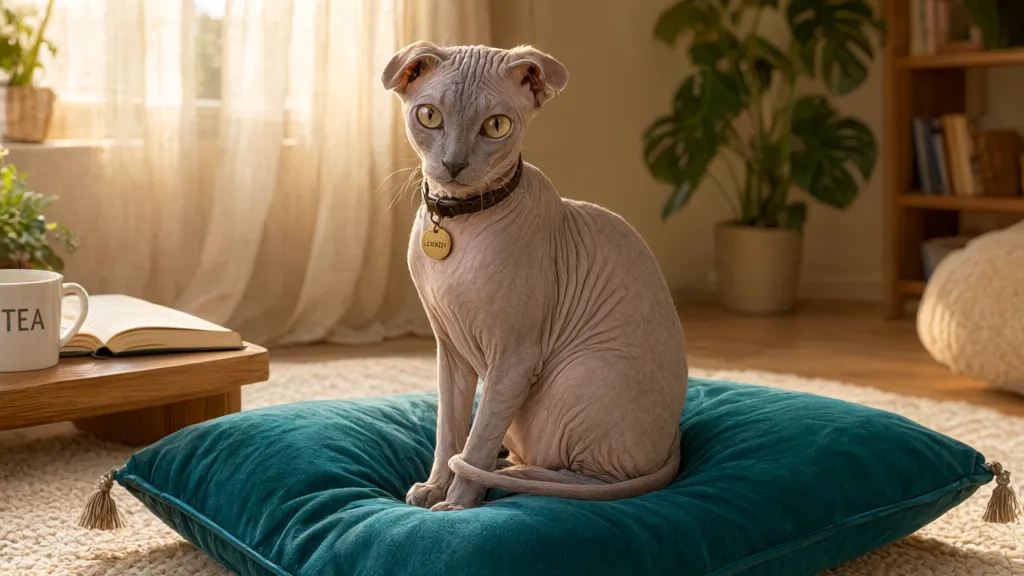
Ukrainian Levkoy
The Ukrainian Levkoy emerged in the early 2000s in Ukraine through selective breeding practices aimed at creating a distinctive breed characterized by its unique folded ears and hairlessness. The breed’s development was largely influenced by local breeders who sought to combine the traits of the Donskoy and the Scottish Fold cats, resulting in the Levkoy’s...
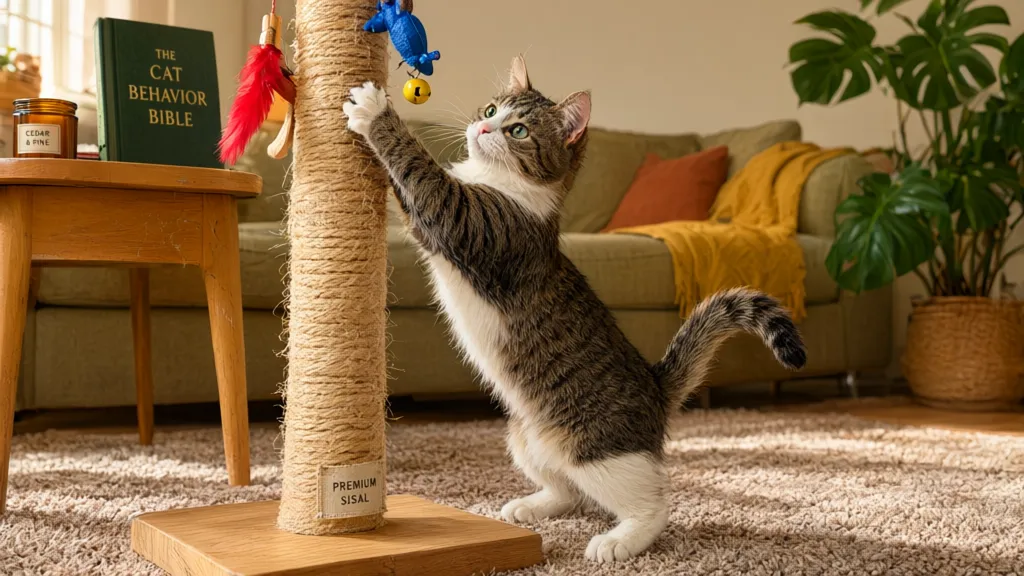
Scratching Solutions: Protecting Your Furniture from Cat Claws
Felines exhibit scratching behavior primarily for territory marking, claw maintenance, and physical exercise. The behavior is intricately linked to their evolutionary biology; cats have scent glands in their paws, allowing them to deposit pheromones on surfaces they scratch, marking their territory. Age and breed play significant roles in scratching tendencies. Younger cats, especially those under...
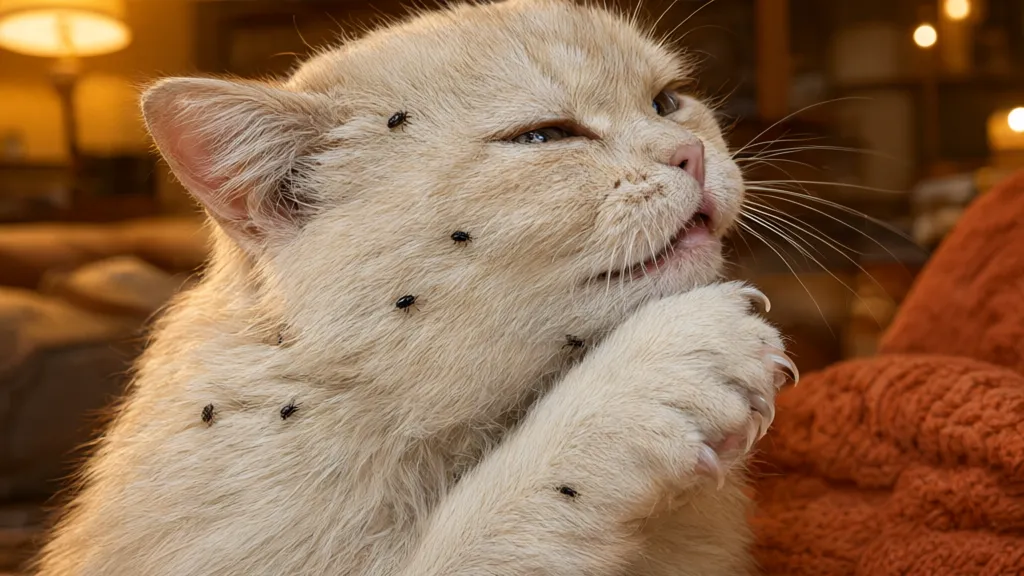
Dealing with Common Parasites in Cat Fur
Feline parasites can be categorized into ectoparasites and endoparasites, each presenting unique challenges for feline health management. Ectoparasites include fleas, ticks, and mites, which infest the skin and coat of the cat, while endoparasites such as roundworms, tapeworms, and protozoa inhabit the gastrointestinal tract or other body systems. Understanding these parasites is essential for targeted...
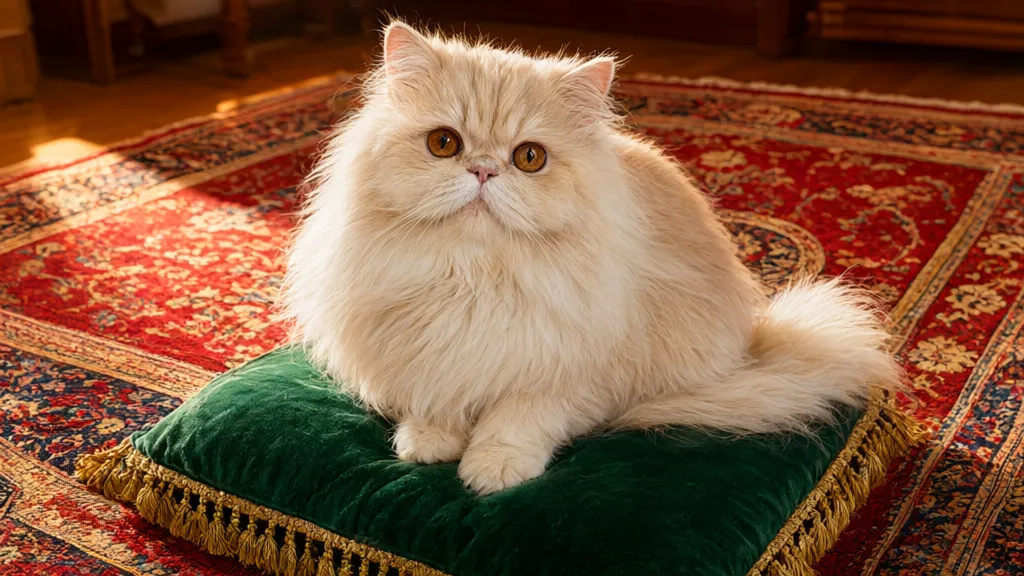
Persian
The Persian cat’s origins are traced back to the 1620s when they were first imported to Europe from Persia, now modern-day Iran, where they were initially known as “Persian Longhairs.” This breed’s ancestry is often linked to cats from Turkey and regions in Central Asia, evident through historical texts that mention similar cats in art...
Holistic Approaches to Cat Joint Health
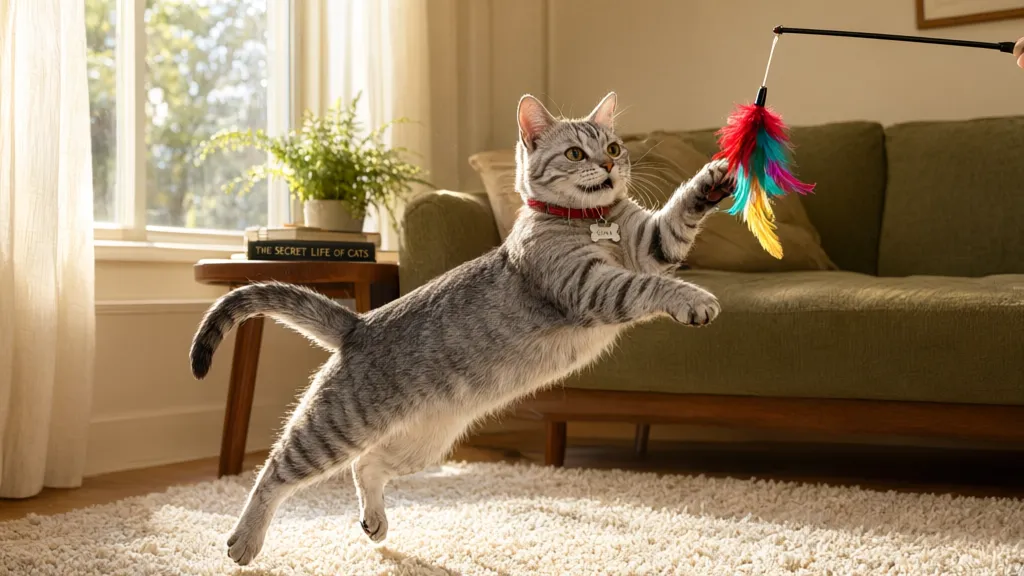
Feline joint health significantly hinges on nutrition, with specific dietary components playing pivotal roles in mitigating joint degradation and enhancing mobility. Omega-3 fatty acids, particularly EPA and DHA, are paramount due to their anti-inflammatory properties, which can lessen pain and stiffness associated with arthritis. These can be derived from fish oil or algae-based supplements; doses...
The Power of Positive Reinforcement in Cat Training
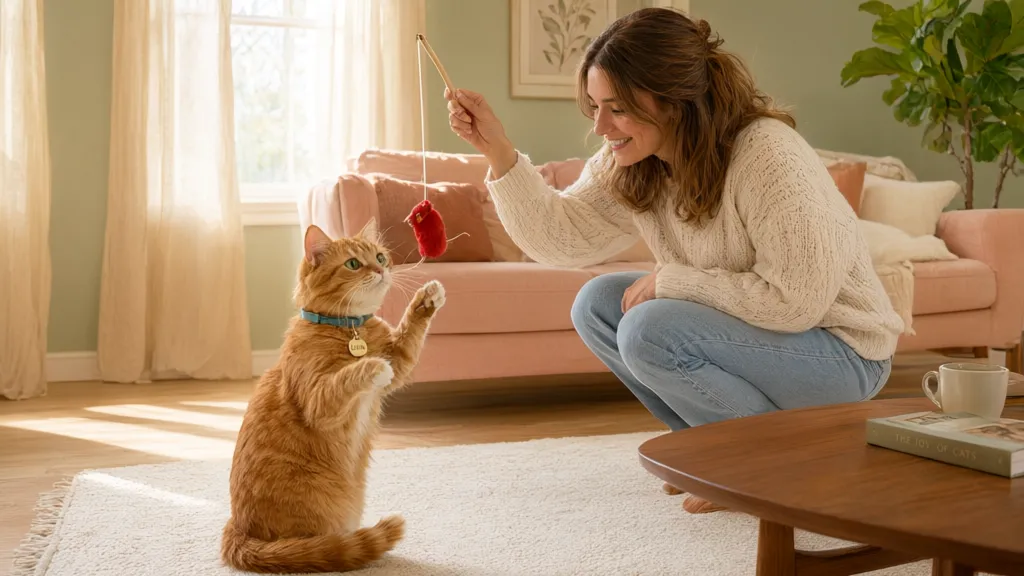
Positive reinforcement harnesses the principles of operant conditioning, where behaviors are strengthened through rewards. This training technique capitalizes on the innate responses of cats, particularly their predisposition to repeat actions that yield favorable outcomes. Studies indicate that cats trained with positive reinforcement exhibit higher retention rates of learned behaviors compared to those trained with aversive...
Eco-Friendly Cat Grooming Practices
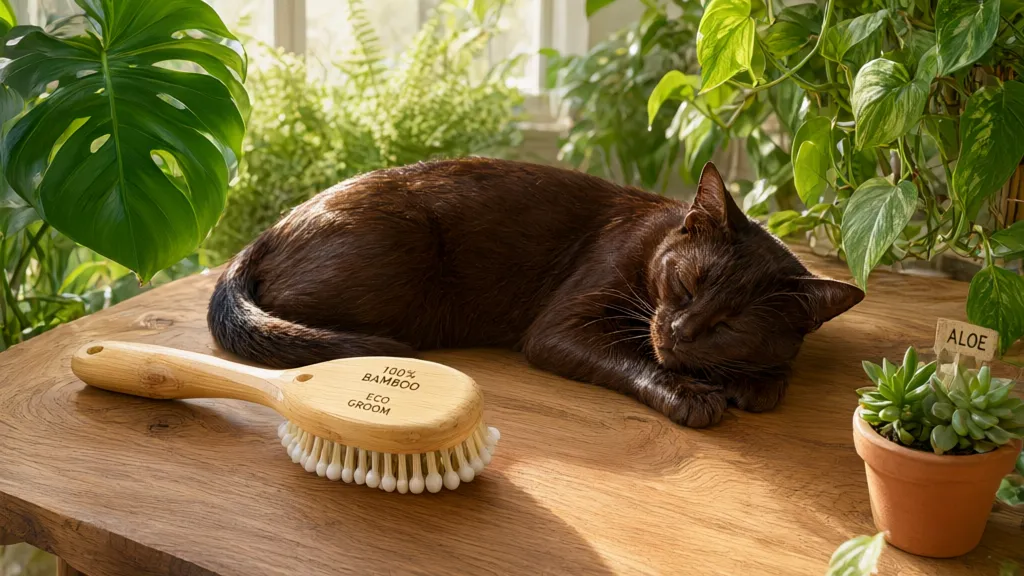
Eco-friendly grooming products for cats are formulated with ingredients that minimize environmental harm while ensuring the safety and well-being of felines. These products typically exclude harmful chemicals such as parabens, sulfates, and synthetic fragrances, which can cause skin irritations and allergic reactions in cats. Instead, they use plant-based, biodegradable ingredients that effectively cleanse and condition...
Javanese
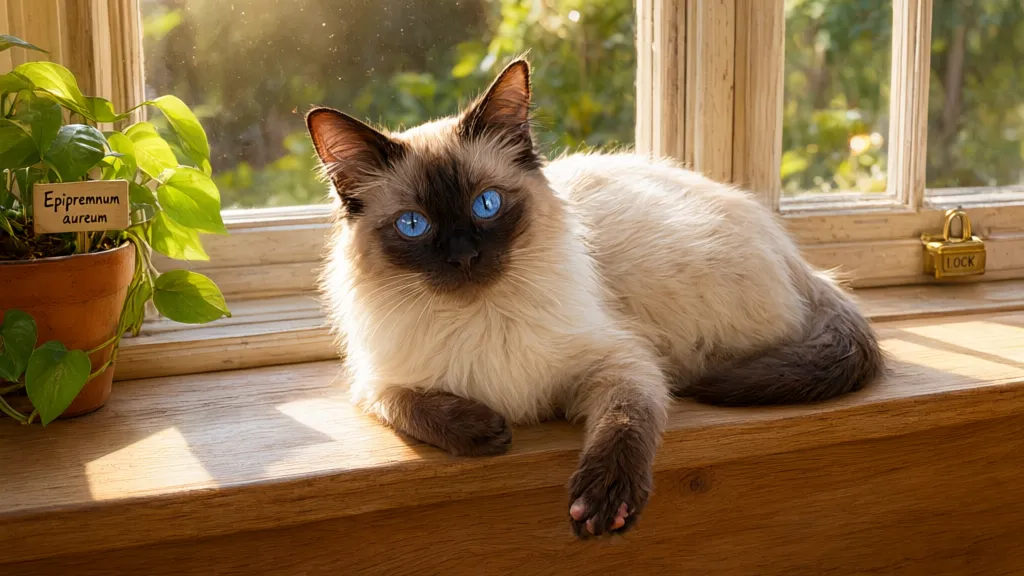
The Javanese cat breed emerged in the United States during the 1950s and 1960s as a result of selective breeding aimed at producing a long-haired variant of the Siamese. The breed was developed through the crossbreeding of Siamese cats with colorpoint Persian and Balinese cats, maintaining the striking colorpoint pattern while enhancing fur length and...
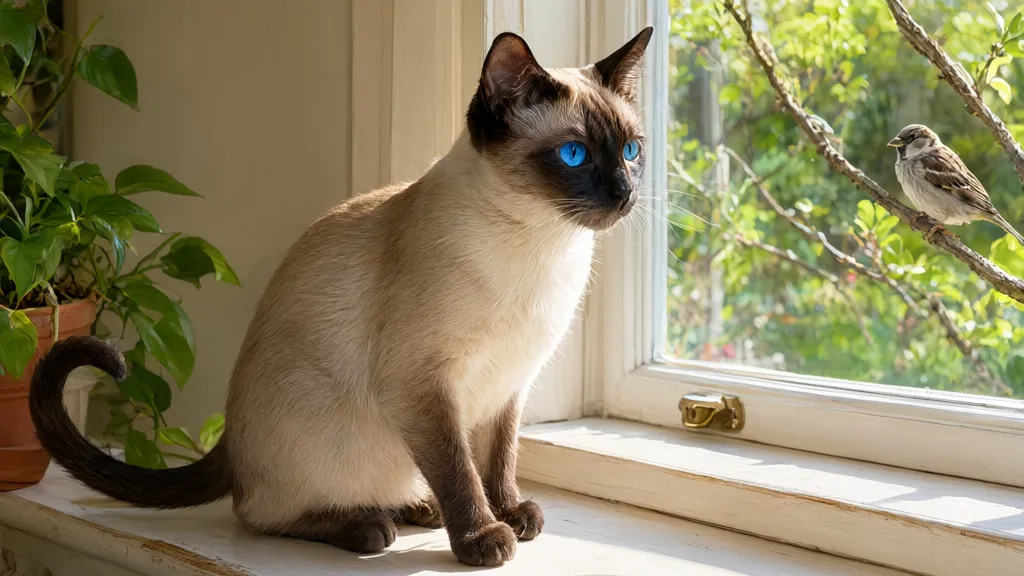
The Inner World of Cats: What Your Feline Friend is Thinking
Feline behavior is deeply rooted in evolutionary adaptations and physiological needs, making it crucial to observe patterns and triggers to understand a cat’s actions. Cats display innate behaviors that stem from their ancestral survival instincts, including hunting, territoriality, and social interaction. Each breed can exhibit differing tendencies; for instance, Siamese are known for their vocal...